
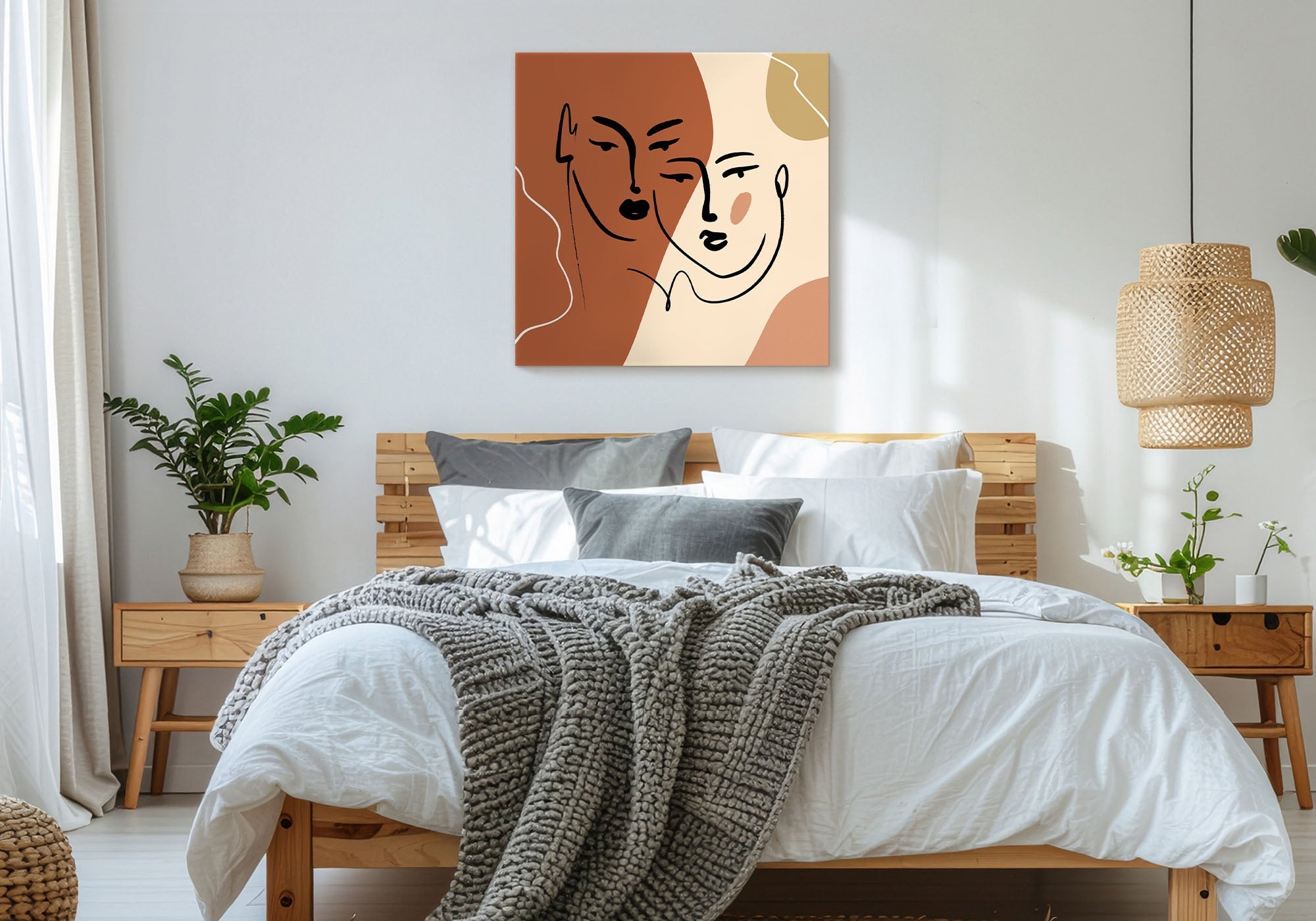
Hygge Wall Art for Bedrooms
Hygge bedroom wall art (hygge is the Danish idea of cozy contentment, said HOO-ga) means choosing art for atmosphere — soft natural light, muted nature, and the warmth of wool, wood, and candlelight. Favor warm, low-contrast scenes that feel like a slow evening at home, and size one or two to the bed.
Hygge is a feeling, not a color. This is the member of the three calm styles defined by a cultural aesthetic. Calming Neutrals is a palette and Cozy Minimalism is a composition — but hygge is a mood: the Danish art of cozy contentment, all soft light, natural texture, and warmth.
Every piece is designed in California and hand-made to order by Fine Art Canvas, making canvas art since 1989. Free U.S. shipping over $100, 90-day returns, and a 1-year warranty on every order.

Hygge Style — At a Glance
- Atmosphere over subject: Soft light and warmth come first
- Warm, muted tones: Oatmeal, soft amber, sage, sepia, candle-glow gold
- Gentle nature: Trees, grasses, soft florals, quiet winter light
- Texture that echoes: Wool, wood, and linen — canvas grain and brushwork
- Low contrast: Nothing sharp or loud above the bed
- Scale to the bed: About two-thirds of the headboard, hung 6–10 inches above it
When Hygge Is the Right Answer
Once you’ve decided what you want the room to feel like — the Bedroom Wall Art Guide starts there — reach for hygge when you want the bedroom to feel like a retreat from a cold, busy world: soft, warm, and unhurried. It suits natural materials, layered bedding, and warm lighting, and it’s perfect if your idea of a perfect evening is staying in.
This is the cultural-aesthetic member of the three calm styles. If what you really care about is a soft palette rather than a specific mood, that’s Calming Neutrals. If you want the same spare simplicity but warmer, that’s Cozy Minimalism.
How to Recognize It
You’re probably looking at hygge art when the piece feels like soft, late light — early morning or candle-lit evening, never harsh midday. The subject is gentle nature: bare trees, grasses, a quiet winter field, a soft bloom. The tones are warm and muted — oatmeal, amber, sepia, sage — with a cozy, lived-in feel. It makes you want to slow down rather than look closer.
✓ Hygge Is Ideal If…
- You want the bedroom to feel warm, cozy, and unhurried
- You love natural materials — wool, wood, linen, candlelight
- Layered, lived-in comfort appeals more than crisp minimalism
- Your favorite evenings are the ones spent at home
✗ Look at Another Style If…
- You prefer cool, crisp, gallery-clean rooms — try Cozy Minimalism
- You want bold color or a striking focal point — try Romantic Vibes
- You like a sleek, modern look over a soft, layered one
How to Use It Well in a Bedroom
Five moves make hygge art read as cozy and atmospheric instead of just quiet:
Choose Atmosphere Over Subject
Ask what light the piece feels like, not just what it shows. Soft morning haze, a candle-warm glow, the quiet of a winter afternoon — that mood is the whole point. A technically pretty piece with cold light isn’t hygge.
Lean into Warm, Muted Tones
Oatmeal, soft amber, sage, sepia, and candle-gold carry the coziness. Keep saturation low and warmth high; nothing icy or bright.
Bring Nature in, Gently
Bare trees, grasses, a soft floral, a misty field — the Nordic outdoors, quieted. Natural subjects are what tie hygge to the wider world outside the cozy room.
Echo the Textures of the Room
Pieces with visible canvas grain and soft brushwork rhyme with the wool, wood, and linen hygge depends on. Texture on the wall makes the whole room feel warmer.
Scale It to the Bed, Then Stop
Span about two-thirds to three-quarters of the headboard and hang it 6–10 inches above. For the full method, see the Bedroom Wall Art Guide and our Wall Art Size Guide.
See it before you commit: Hygge lives in warmth and scale, so check both first. Use View in Your Room on any product page to see the exact piece on your wall at true size in your own light, or tape the dimensions above the headboard and live with the outline for a day.
Hygge isn’t just on the wall — it’s the entire room working together. Pair the art with warm lighting, a chunky wool throw, and natural wood on the nightstand. The canvas is the anchor; the textures and light around it are what make it feel real.
Every piece is designed in California and hand-made to order in the size and format you choose — canvas, framed canvas, or framed print. Free U.S. shipping on orders over $100, 90-day hassle-free returns, and a 1-year warranty on every order.
Why These Six Pieces Work
Each one carries the warm, soft-light atmosphere hygge depends on — nature and texture, quieted for the bedroom. Every piece is hand-made to order in the size and format you choose.


Common Mistakes (and the Fix)
Cold light masquerading as calm. A grey, icy piece reads quiet but not cozy. Fix: Choose warm, soft light — amber, sepia, candle-gold.
Too much contrast or sharpness. Crisp, high-contrast art breaks the soft mood. Fix: Keep it low-contrast and gently blurred above the bed.
Flat, textureless prints. Hygge depends on the feel of natural materials. Fix: Real canvas grain and brushwork echo wool, wood, and linen.
Going too small. A modest piece over a wide bed looks lost. Fix: Span about two-thirds of the headboard and size up when in doubt.
Treating hygge as just “neutral.” Beige alone isn’t cozy. Fix: Lead with warmth and soft light, not just a muted color.
Every piece is designed in California and hand-made to order, backed by free U.S. shipping over $100, 90-day returns, and a 1-year warranty.
Shop Hygge Style ArtFrequently Asked Questions
What is hygge wall art?
Hygge (a Danish word for cozy contentment, said HOO-ga) wall art is art chosen for warmth and atmosphere: soft natural light, gentle nature, and warm, muted tones that make a room feel like a calm place to slow down. Think bare trees, quiet winter light, and candle-gold abstracts rather than bold, high-contrast scenes.
What size should bedroom art be above the bed?
Span about two-thirds to three-quarters of your headboard width and hang it 6 to 10 inches above the headboard, centered around 57 to 60 inches from the floor. That puts a 48×32 over a queen and a 60×40 over a king. When you’re between sizes, size up.
How is hygge different from calming neutrals and minimalism?
Each leads with a different thing. Hygge is a cultural aesthetic — a specifically Nordic, candle-soft coziness. Calming Neutrals is a palette — soft, tonal color. Cozy Minimalism is a composition — one simple piece with lots of space. Hygge is the warmest and most atmospheric of the three.
What colors and subjects suit hygge?
Warm, muted tones — oatmeal, soft amber, sage, sepia, candle-gold — and gentle natural subjects like bare trees, grasses, soft florals, and quiet winter light. The unifying thread is a warm, soft, lived-in feeling.
How do I make my bedroom feel hygge?
Layer warmth and soften the light. Choose art with warm, soft light and natural texture, pair it with wool, wood, and linen in the room, and keep the lighting low and warm. The art sets the mood; the materials and lighting carry it through.
Does hygge art work in a modern bedroom?
Yes — it’s a good way to warm up a sleek, modern room. A single soft, warm-toned piece above the bed balances clean lines and hard surfaces, so a contemporary bedroom still feels cozy rather than cold.
Should hygge art match my bedding?
It should harmonize, not match. Let the art and the bedding share a warm undertone, then carry that warmth through a throw or a wood detail. Related warmth, rather than an exact color match, is what makes the room feel layered and cozy.
Hygge isn’t a palette you buy — it’s an atmosphere you build. Choose art that adds warmth and soft light, and the room starts to feel like a place to slow down.


%20means%20choosing%20art%20for%20atmosph...)
Leave a comment
This site is protected by hCaptcha and the hCaptcha Privacy Policy and Terms of Service apply.