
Welcoming Entryway Wall Art: How to Make the Door Feel Like an Invitation
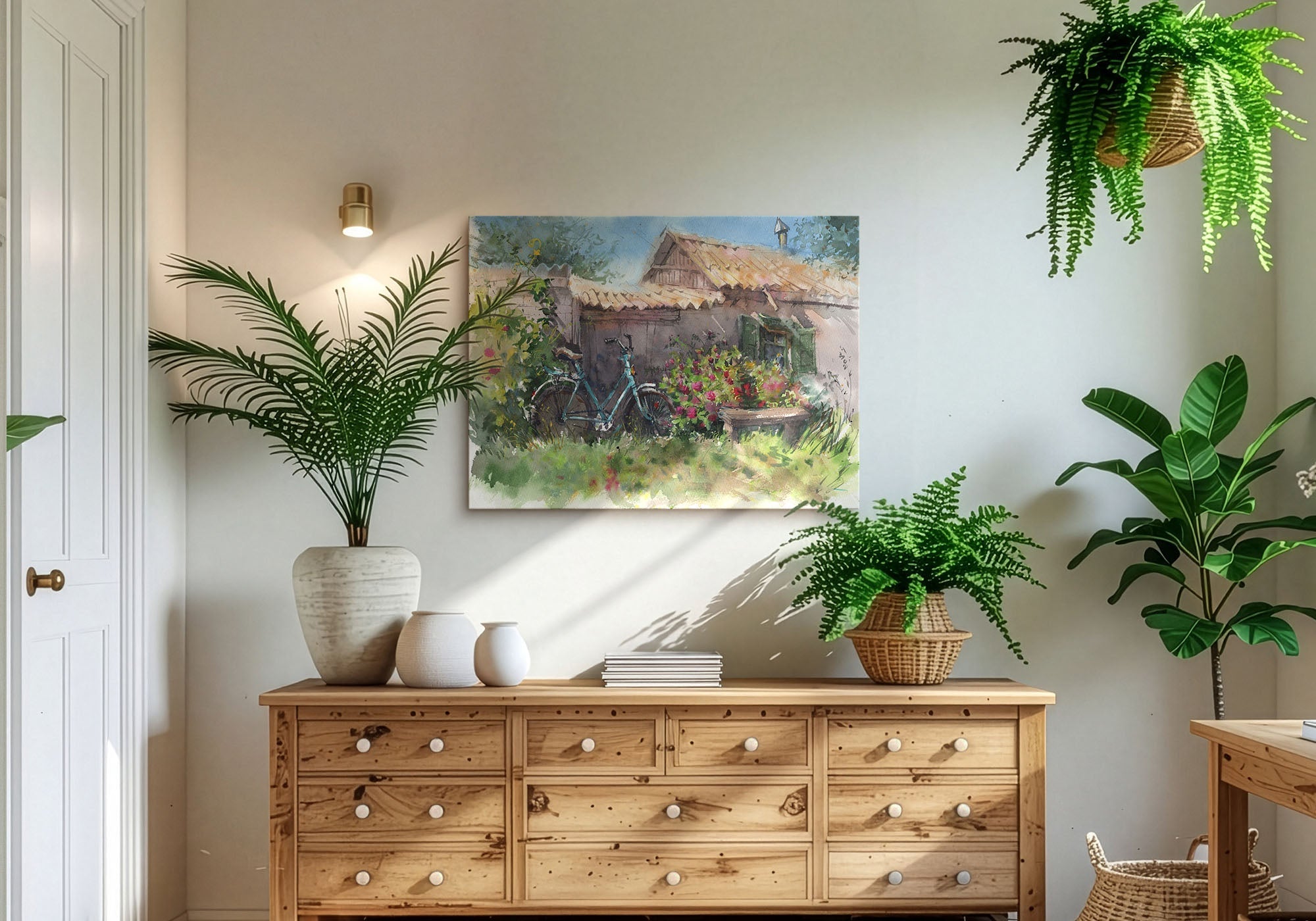
A welcoming entry is a feeling you build, not a word you write. It comes from three things in the art itself: a warm palette (sun, gold, blush, honeyed neutrals), soft natural light in the image, and an open, generous subject — blooming flowers, an open landscape, a sunlit room. Choose for those, share one anchor with the room the entry opens onto, and the wall welcomes people the moment they step in, without ever needing to say so.
When people want a welcoming entry, the first instinct is often to hang a sign that reads welcome, or to swap in a seasonal wreath. It is a kind thought. It is also the thing that most often makes an entry feel generic — a wall that announces hospitality instead of creating it.
Warmth is not a message. It is a feeling, and it is made with color, light, and openness. A sun-filled painting of flowers makes a person feel welcomed before they have read a single word; a cool, sparse, formal piece can leave the same doorway feeling like a lobby. Choose art for the warmth it gives off, not the greeting it spells out.
Everything here is Designed in California and hand-made to order by Fine Art Canvas — making canvas art since 1989, with free 90-day returns and a 1-year warranty on every piece.

Welcoming Vibes at a Glance
- What it is really about: Building warmth from the art itself — color, light, and openness — not from a sign that says welcome
- Works best in: Entries you want to feel like an embrace, especially when the home already leans cozy and lived-in
- The core decision: Art that creates warmth vs. art that announces it
- What to look for: A warm palette (gold, terracotta, blush), soft natural light, and an open generous subject like flowers or a sunlit landscape
- What to avoid: Worded signs, cool or formal pieces in a space meant to feel cozy, and seasonal decor that dates
When Welcoming Art Is the Right Answer
This is the right direction when you want the entry to feel like a warm hello — the choice for a home that leans cozy and lived-in, or one where you simply want the front door to lift your mood every time you come home. It is especially right when the entry opens straight onto a living space you have already made warm, because a welcoming piece carries that same feeling forward instead of interrupting it.
It is less the right answer when you want the space to feel cool, composed, and gallery-quiet. If restraint is the goal, see Elegant Entry; if you want clean and architectural, see Modern Simplicity. Warmth is a specific feeling, and it is worth choosing on purpose rather than by default.
✓ Works Well When
- You want the door to feel like a warm hello, for guests and for you
- Your other rooms lean cozy, lived-in, or sunny
- You are drawn to warm color, soft light, and open subjects
- You want the entry to lift your mood every time you come home
✗ Consider Something Else If
- You want cool, composed, and gallery-quiet — see Elegant Entry
- You prefer clean and architectural — see Modern Simplicity
- You want the wall to be about a specific subject first — see Family Moments or Travel Adventure
It pairs with whatever you most want to see. Give that warmth to your people with Family Moments, or warm up a place you love with Travel Adventure. The feeling sets the mood; the subject gives it something to say.
How to Recognize a Piece That Works
Welcoming art is easy to spot once you know what actually produces the warmth. Three levers do nearly all of it, and you can check any piece against them in a few seconds.
1. A warm palette
Sun-yellow, gold, terracotta, blush, honeyed cream. Warm colors read as warmth the moment you see them — this is the single biggest lever, and it is why a cool-blue piece rarely feels welcoming no matter how lovely it is.
2. Soft, natural light in the image
A piece that looks lit by late-afternoon sun feels warmer than one lit flat or hard. Light inside the art is what gives an entry that glow you feel before you can name it.
3. An open, generous subject
Blooming flowers, an open field, a sunlit room, a laid table. Open and abundant subjects feel like an invitation; tight, guarded, or severe ones do not. The subject should feel like it is holding the door open for you.
A piece that carries even two of these three will warm a doorway. Get all three, in a palette that shares a color with the room next door, and the choice is essentially made.
Stand at your open front door and notice the light. A dim entry is warmed most by a sun-filled image; a bright one can carry a softer, quieter warmth. Match the art's light to the light you wish the space had, and the whole doorway lifts.
Five Moves That Work
1. Lead with the warmth, not the words
Skip the sign that reads welcome and choose a piece whose color and light do the welcoming. The feeling lasts; the slogan dates.
2. Borrow one warm color from next door
Pull a single warm tone from the room the entry opens onto — a rug, a cushion, a wood tone — and choose a piece that carries it. That shared color is what makes the warmth belong.
3. Use soft light to your advantage
A sun-lit image does double duty in a dim entry, giving the sense of daylight where there often is not much. It is the easiest way to brighten a windowless door.
4. Match the shape to the wall
A tall upright piece suits the slim wall beside a door; a wider, low piece suits the wall above a console or bench. For a long entry hall, a paced series in one warm palette reads as one welcoming rhythm.
5. Size it for standing eyes
Art spans roughly two-thirds of the wall or the furniture below it, hung a touch higher than a seated room because an entry is met standing. See the Wall Art Size Guide for the full method.
| Your entry wall | A good approach |
|---|---|
| Slim wall beside the door | One tall upright piece — a sunlit scene or a warm floral — sized to hold the wall on its own. |
| Above a console or bench | A wider, low piece spanning about two-thirds of the furniture, hung above the raised baseline. |
| Bare entry wall, no furniture | Go larger than you think, or group a warm set so the wall reads as finished and generous. |
| Long entry hall | A paced series in one warm palette — a set of soft landscapes reads as one welcoming rhythm. |
Six Welcoming Pieces Worth Hanging
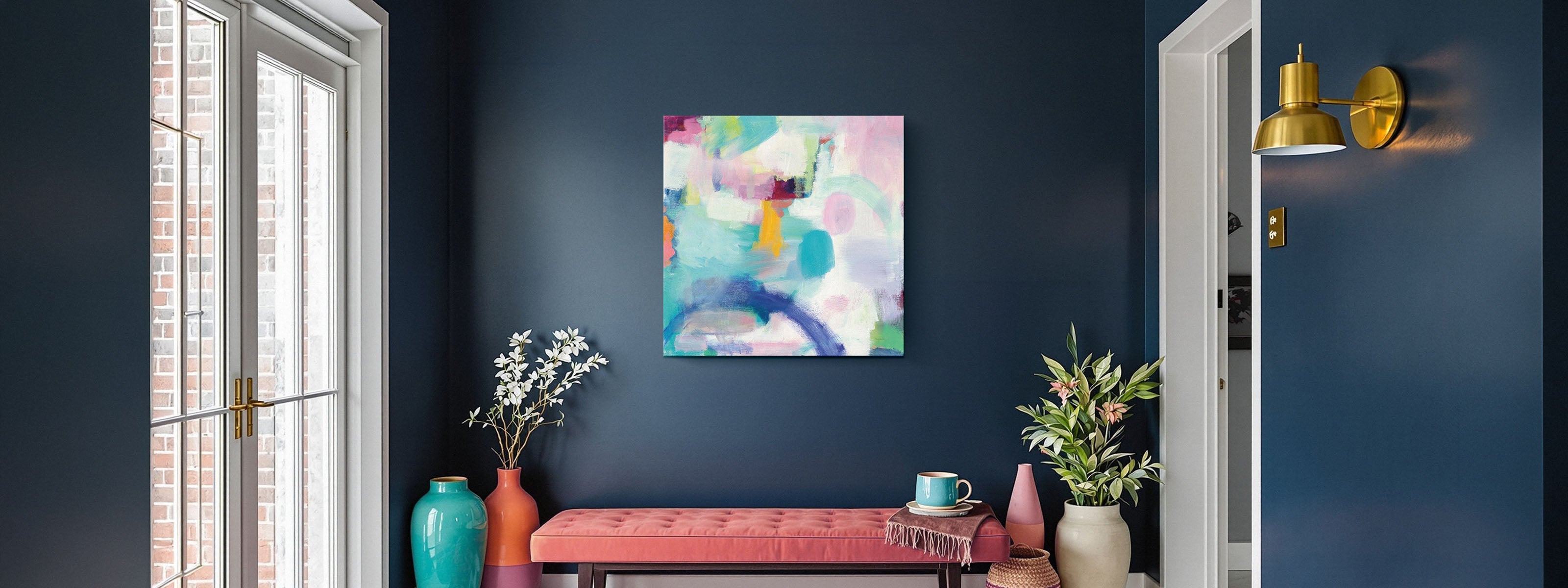
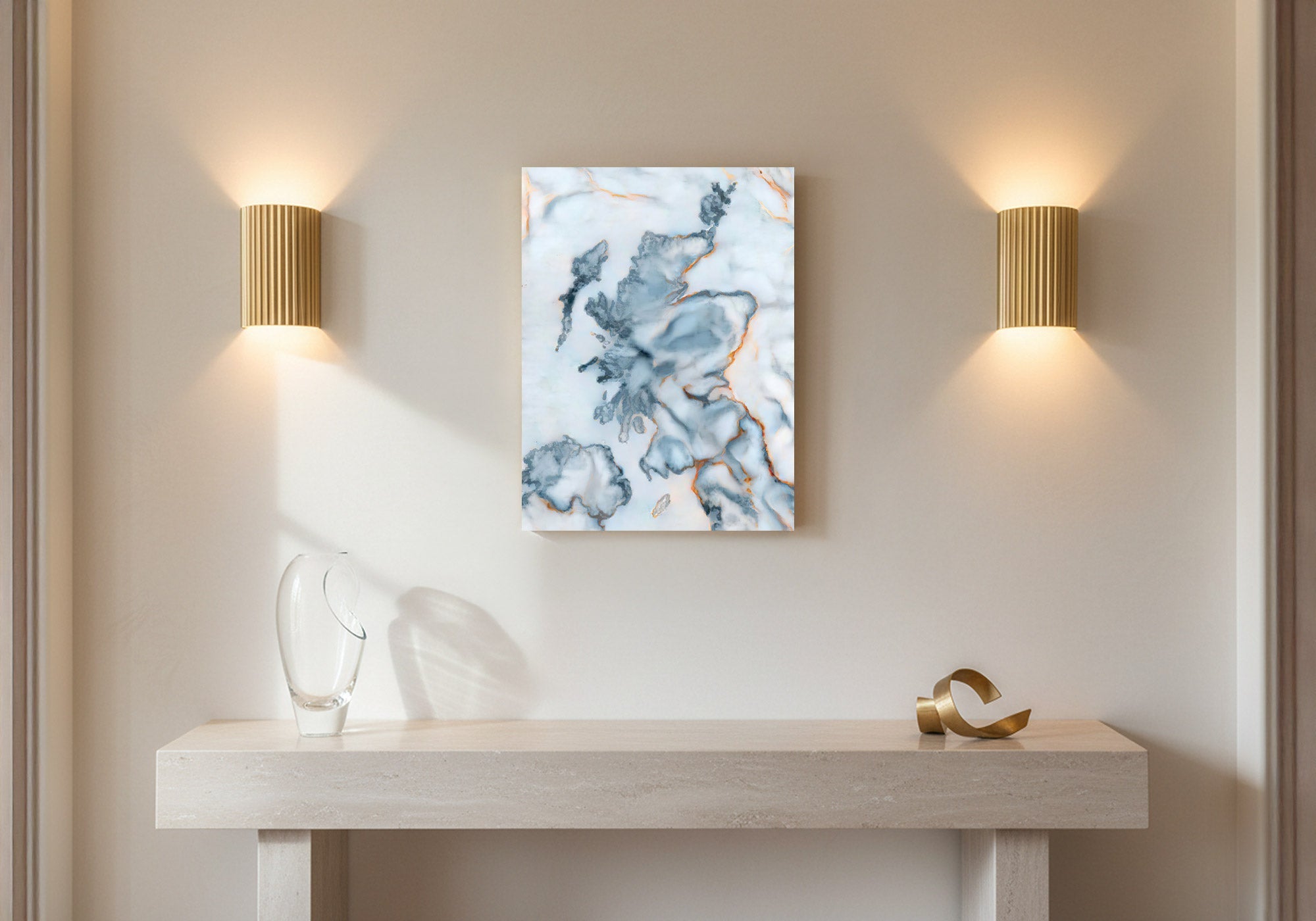
Every piece below is hand-made to order from the Welcoming Vibes collection — chosen for the warmth it gives off, not the greeting it spells out. Each is available as gallery-wrapped canvas, framed canvas, or framed print, with pricing live at each product page.


Common Mistakes and the Fix
A worded sign announces hospitality instead of creating it. Fix: let color and light do the welcoming — choose a piece whose warmth you feel before you read anything.
Cool blues and formal compositions read as calm or composed, not warm. Fix: lead with a warm palette — it is the single biggest lever for a welcoming feeling.
A seasonal wreath or holiday piece creates warmth for a month, then feels stale. Fix: choose an evergreen piece with lasting warmth, and let seasonal touches sit on the console, not the wall.
A piece chosen in isolation can feel like a detour from the rest of the home. Fix: borrow one warm color from next door, and the piece instantly belongs.
Undersized art makes a generous feeling feel tentative. Fix: go larger than feels obvious, or group a warm set, so the wall reads as generous.
Warm the Door
Browse the full Welcoming Vibes collection — hand-made to order, Designed in California, with free 90-day returns on every piece.
Shop Welcoming Vibes ArtFrequently Asked Questions
How do I make my entryway feel warm and welcoming?
Choose art for three things: a warm palette (gold, terracotta, blush, honeyed cream), soft natural light in the image, and an open, generous subject like flowers or an open landscape. Those qualities create the feeling of welcome directly. Then share one warm color with the room the entry opens onto, so the warmth belongs to the home rather than standing apart from it.
Do I need a sign that reads welcome in my entryway?
No. A worded sign announces welcome, but the feeling of welcome comes from the art itself — its warmth, its light, its openness — and a warm painting will do it far more powerfully than a slogan. Choose a piece whose warmth you feel before you read anything, and the wall welcomes people without needing to say so.
What colors feel most welcoming for an entry?
Warm ones. Sun-yellow, gold, terracotta, blush, and honeyed neutrals all read as warmth on sight, which is why they suit a doorway meant to feel like a hello. Cool blues and greens can be beautiful but tend to feel calm or crisp rather than welcoming, so lead with a warm palette when warmth is the goal.
What art makes a good first impression at the front door?
A piece that feels like an invitation: warm in color, soft in light, and open in subject, at a scale that holds the wall. Avoid anything cold, severe, or so busy it cannot be read at a glance, since an entry is met standing and often in passing.
What size art should I hang in an entryway?
Art spans about two-thirds of the wall or the furniture beneath it, and an entry is hung a touch higher than a seated room because you meet it standing. A slim wall beside the door suits a tall upright piece; a console wall suits a wider, low one. See the Wall Art Size Guide for the full measuring method.
What art works in a small or narrow entry?
One tall, upright piece in a warm palette is usually the best answer, because vertical art draws the eye up and makes a tight space feel taller. Keep it light-filled to brighten a dim entry, and resist crowding a small wall with several pieces when one confident, warm piece will do more.
A welcoming entry is a feeling, not a word — build it with warm color, soft light, and an open subject, and the wall says welcome without saying anything.


Leave a comment
This site is protected by hCaptcha and the hCaptcha Privacy Policy and Terms of Service apply.